

The Wild within
A Personal Perspective
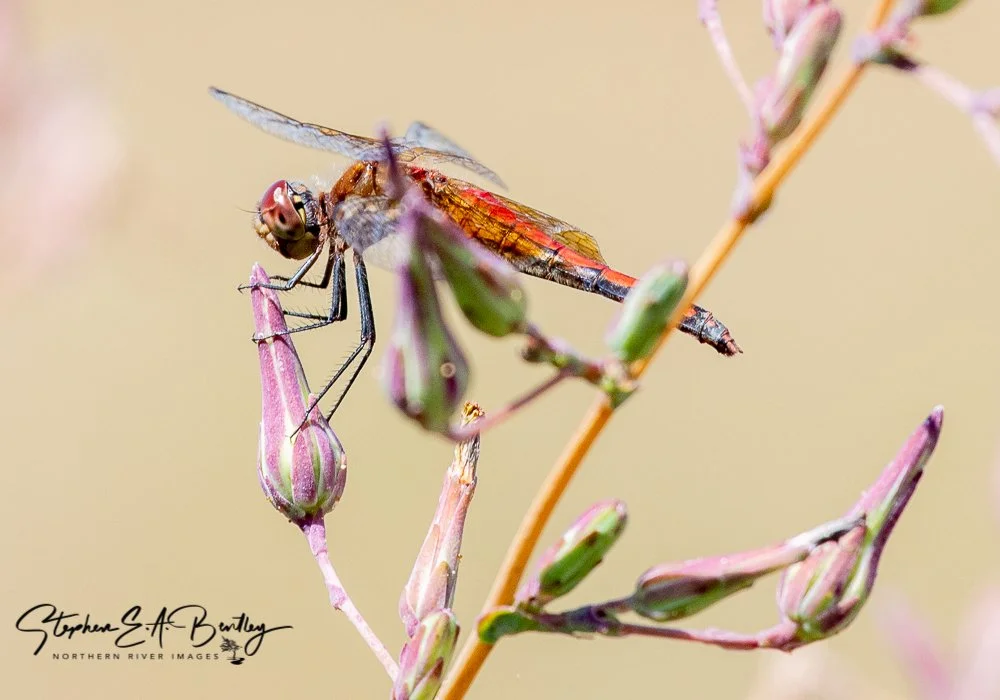
Chasing Light and Life
There are mornings when I step outside with my camera and instantly know the seasons are changing. It isn't because the calendar tells me so, but because the air feels different. There's a freshness that wasn't there just a few weeks ago. Summer hasn't quite left us, but it's beginning to whisper its farewell.
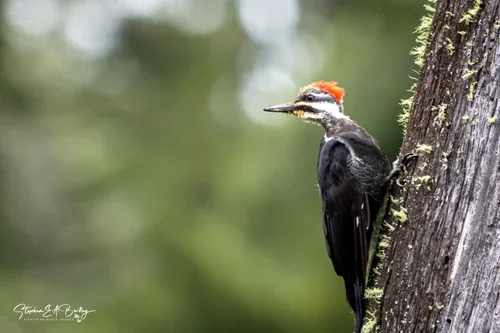
August In Algonquin
August in Algonquin Park is one of the most rewarding times of the year to experience Ontario's wilderness. Summer has reached its peak, the forests are rich with vibrant shades of green, and the park's countless lakes reflect warm sunlight from dawn until dusk.
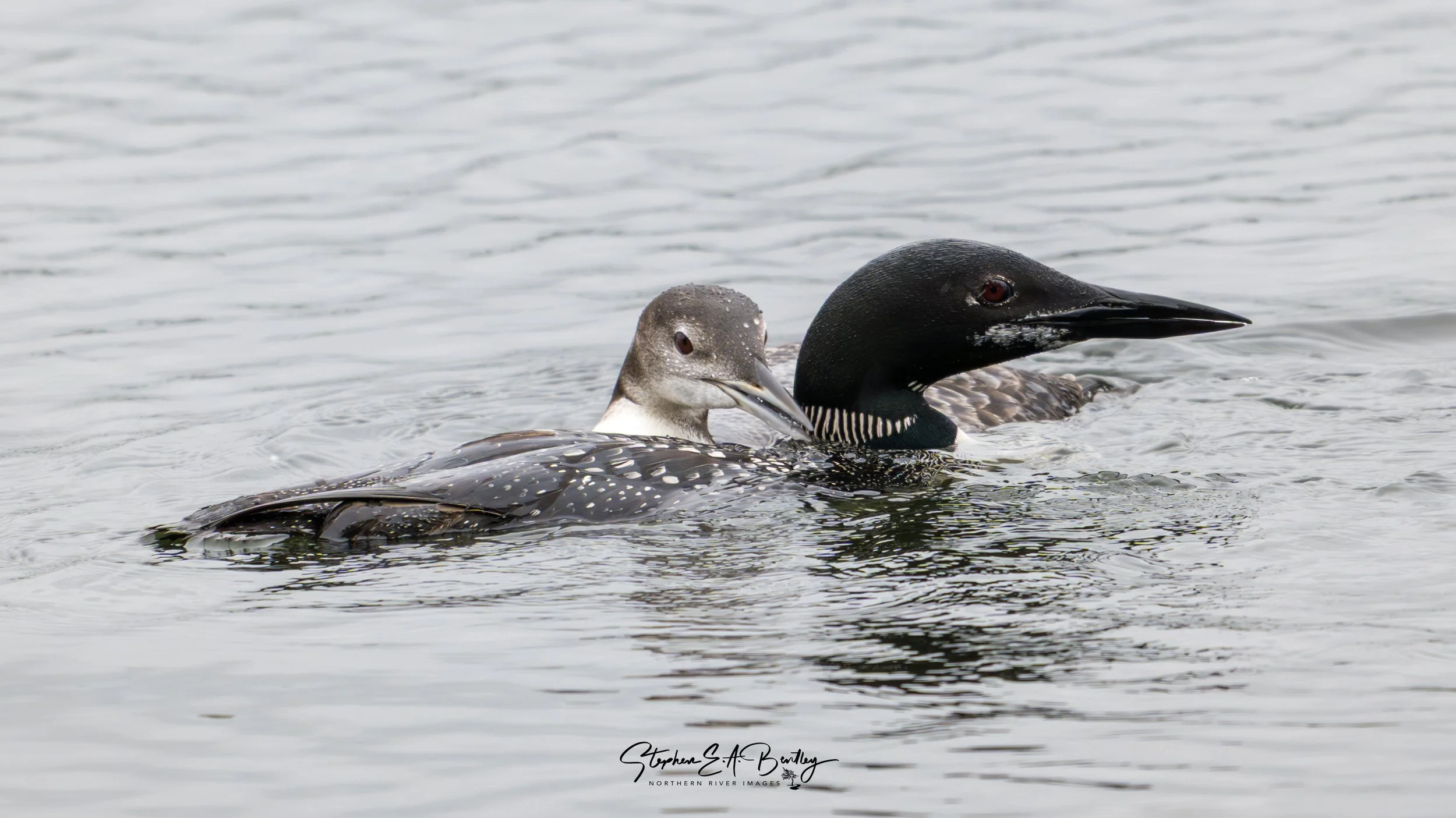
Tripping into the Interior
Long daylight hours, warm water, lush forests, and active wildlife make July an appealing time to explore lakes and rivers. Whether you're paddling down a quiet river corridor, or venturing into a remote wilderness area, July offers some of the best opportunities for wildlife viewing and outdoor photography.
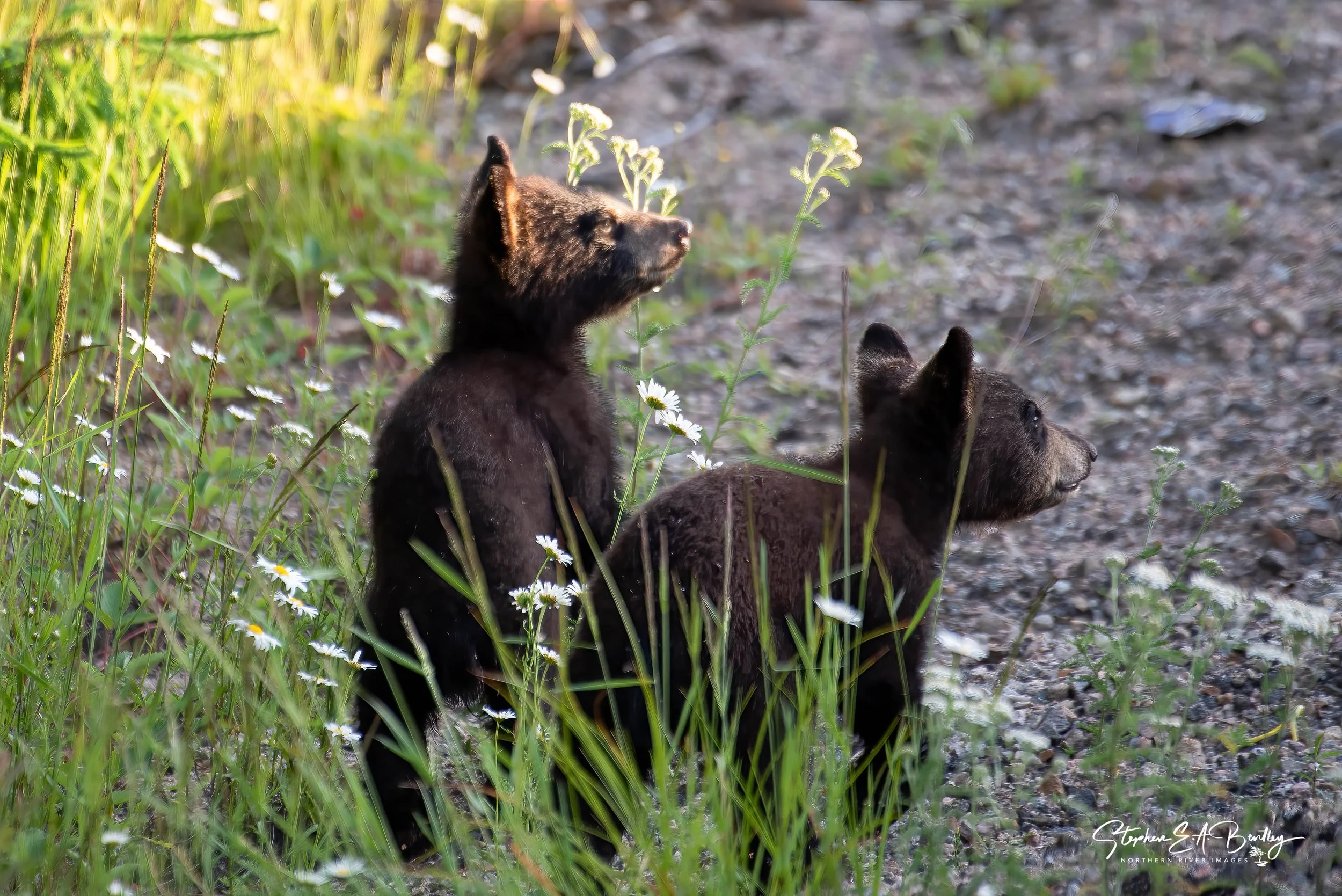
Black Bears In June
June is one of the most active, and misunderstood, times of year for Black Bears in Ontario. Forests are lush, food sources are expanding, and adult Bears are moving more than they have in months. Understanding what Bears are doing in June especially around mating, food, and behaviour, can make all the difference.
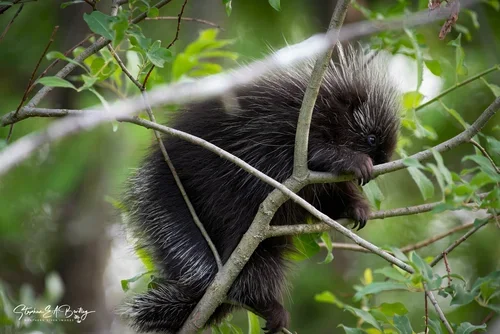
May makes Its Way
May arrives like a quiet celebration. After months of subdued landscapes and patience, the world begins to exhale in colour, movement, and life. For those who step outside with curious eyes, May offers something extraordinary: a season of renewal not just in plants and landscapes, but in families, in wildlife.
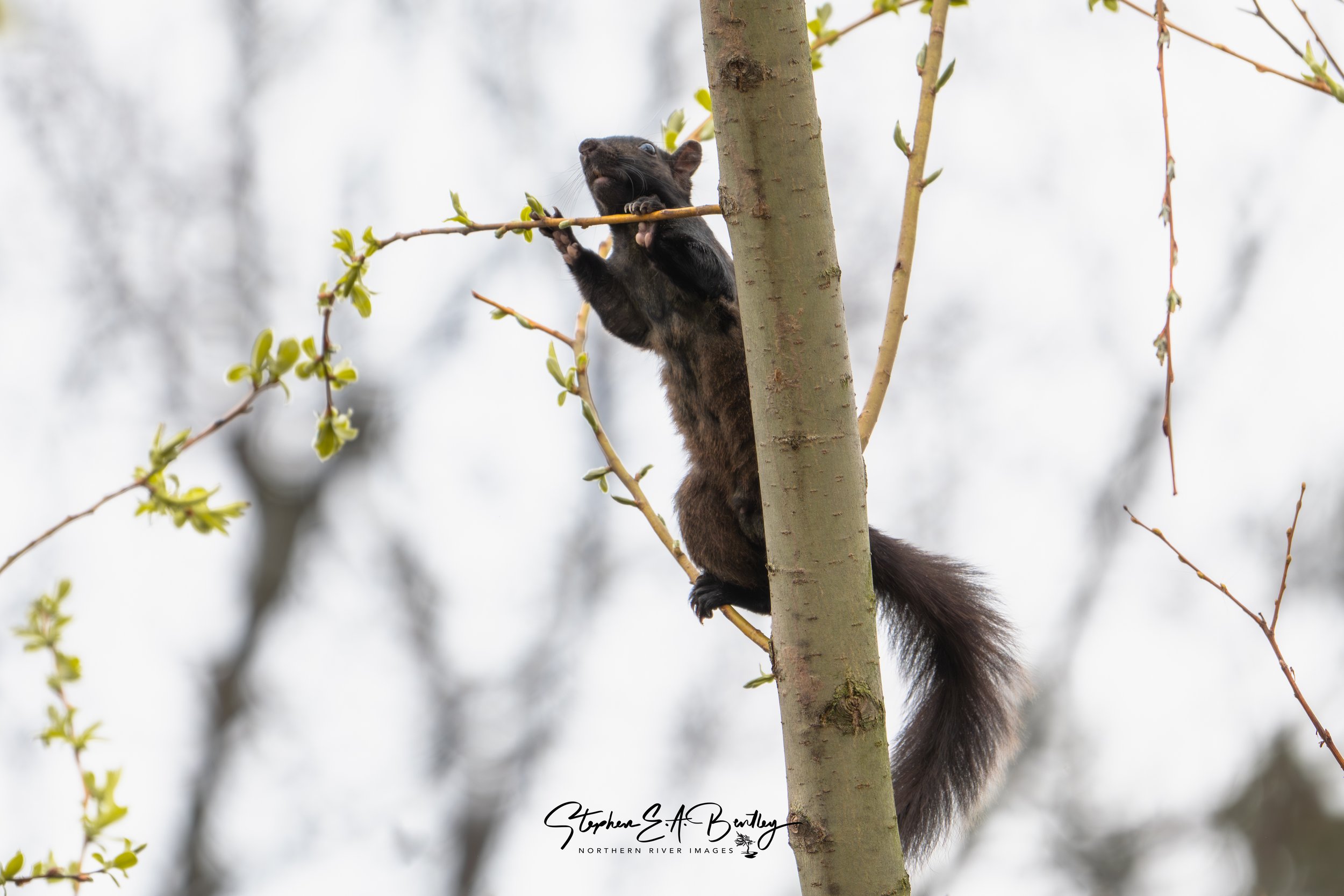
Approaching Easter
As Easter approaches, the natural world seems to lean into the symbolism. The light changes first. Stretching further into the evening, softer in the mornings. Then come the small signs: buds swelling on branches, bird song returning, and the quiet reappearance of animals.
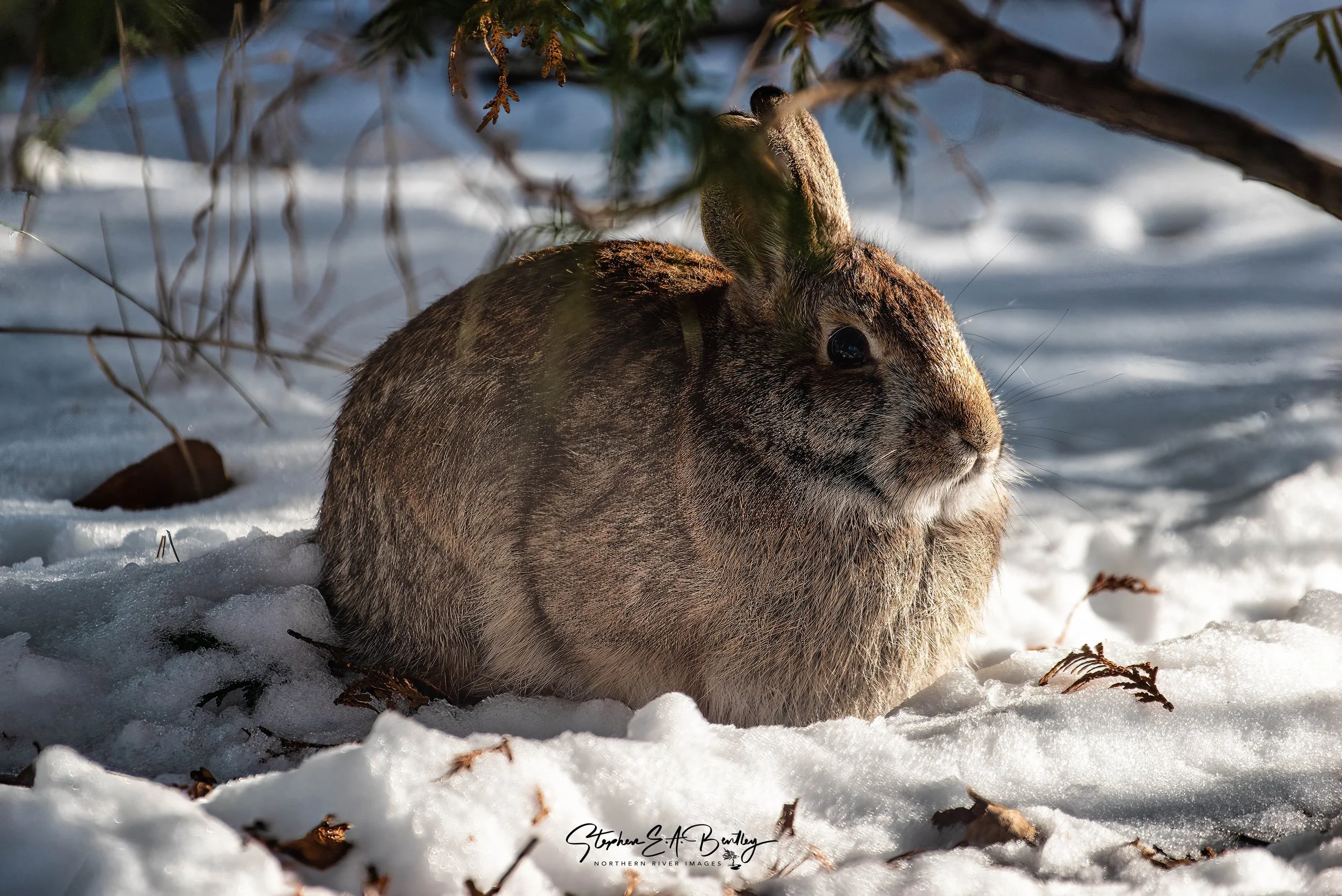
The March into Spring
March is not a comfortable month for wildlife photography. That’s exactly why it matters. This is the season of half-thaws and false starts, when winter loosens its grip. It offers no easy beauty. This is also when honest stories unfold. Wildlife is in transition. Transition is where narrative lives.
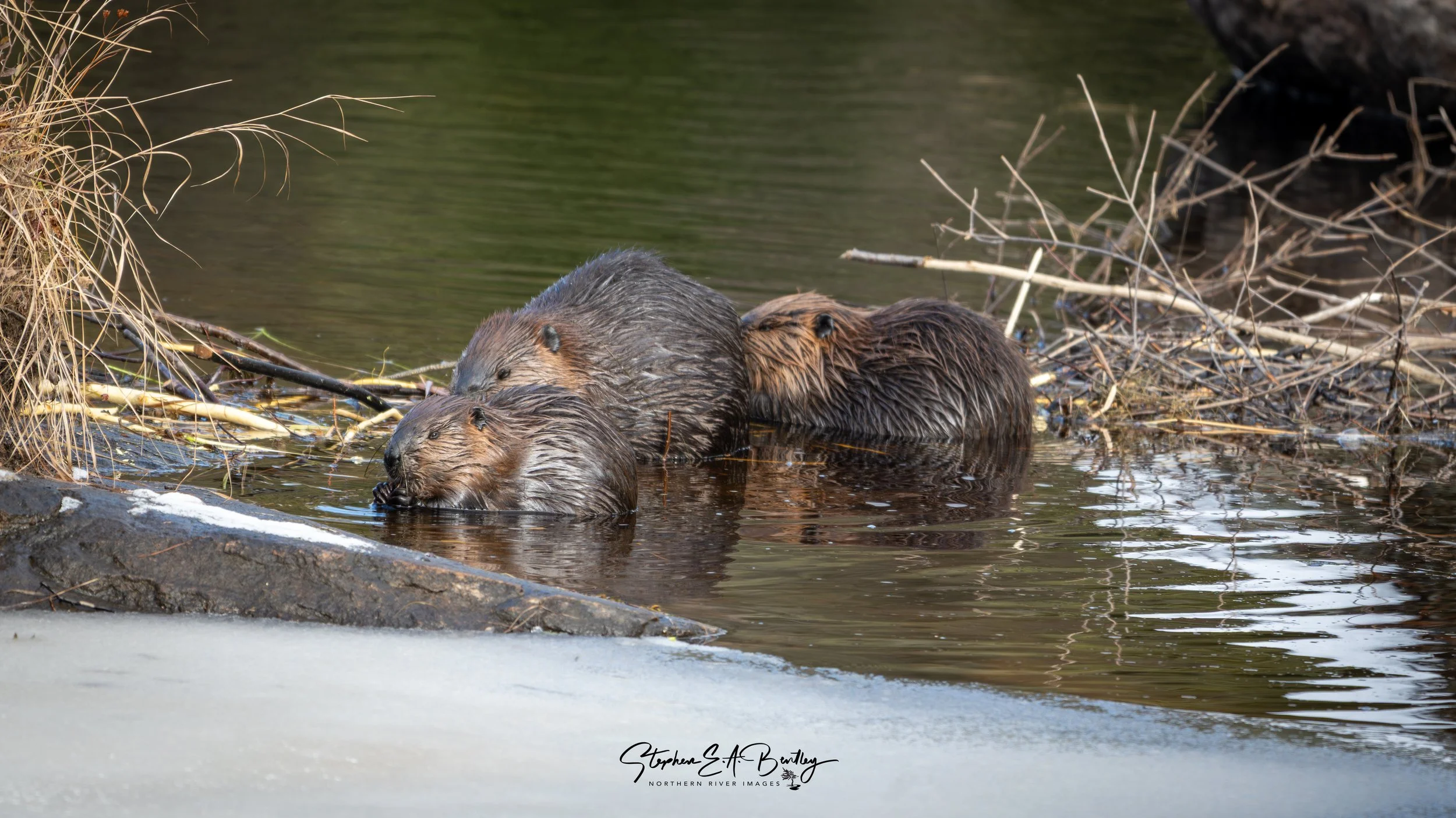
February is for Family
February is a sacred pause in the wheel of the year. It is not loud or celebratory, yet it holds profound spiritual weight. Resting between the deep sleep of winter and the first stirring of spring, February invites us into a quieter relationship with the Earth, our families, and ourselves.
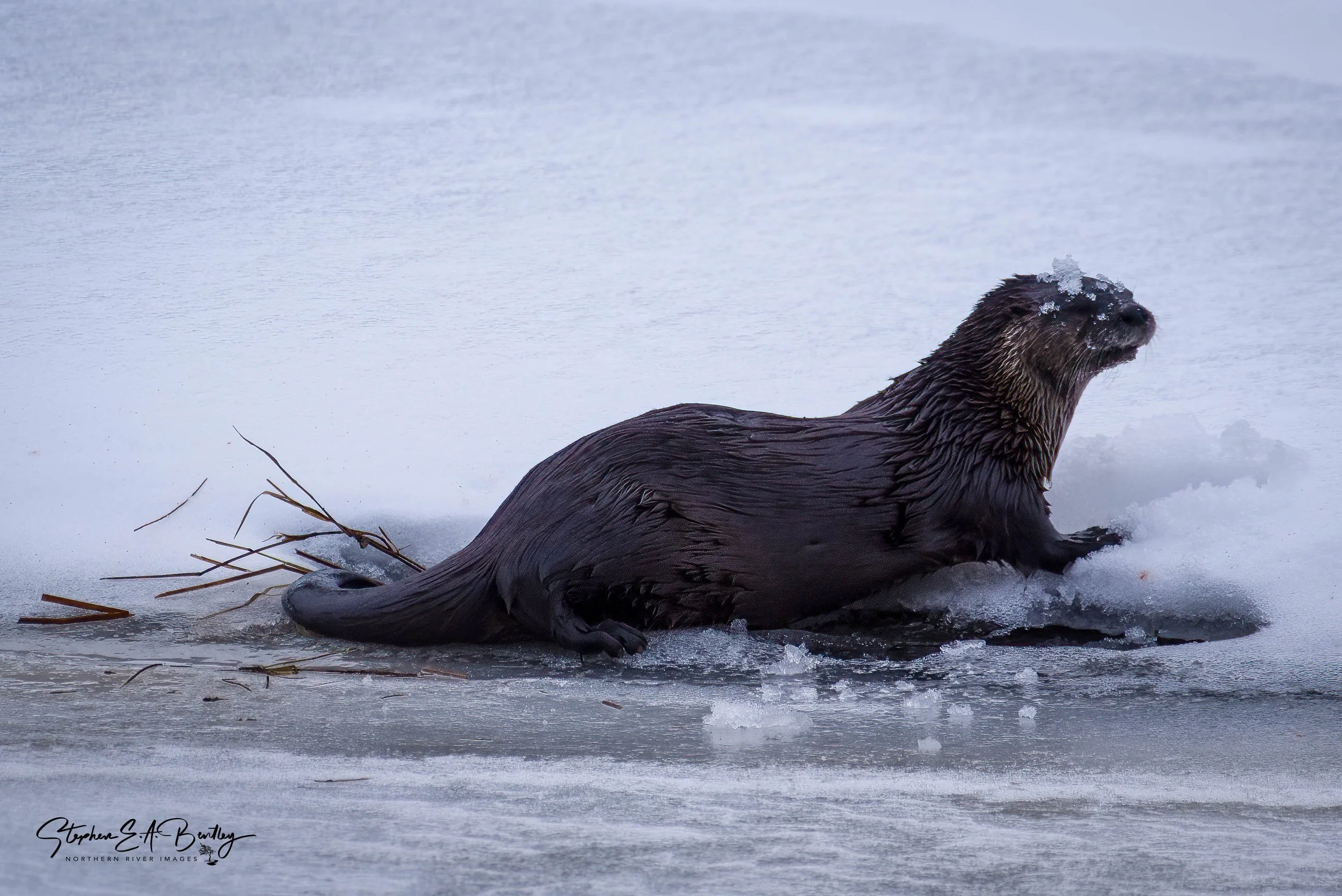
Winter Wildlife Detectives
Winter in Ontario reshapes the landscape into a blank page, covering forests, fields, and wetlands in soft white and inviting anyone to read the stories imprinted upon it. Winter is one of the richest seasons for discovering how animals move, feed, survive, and interact.
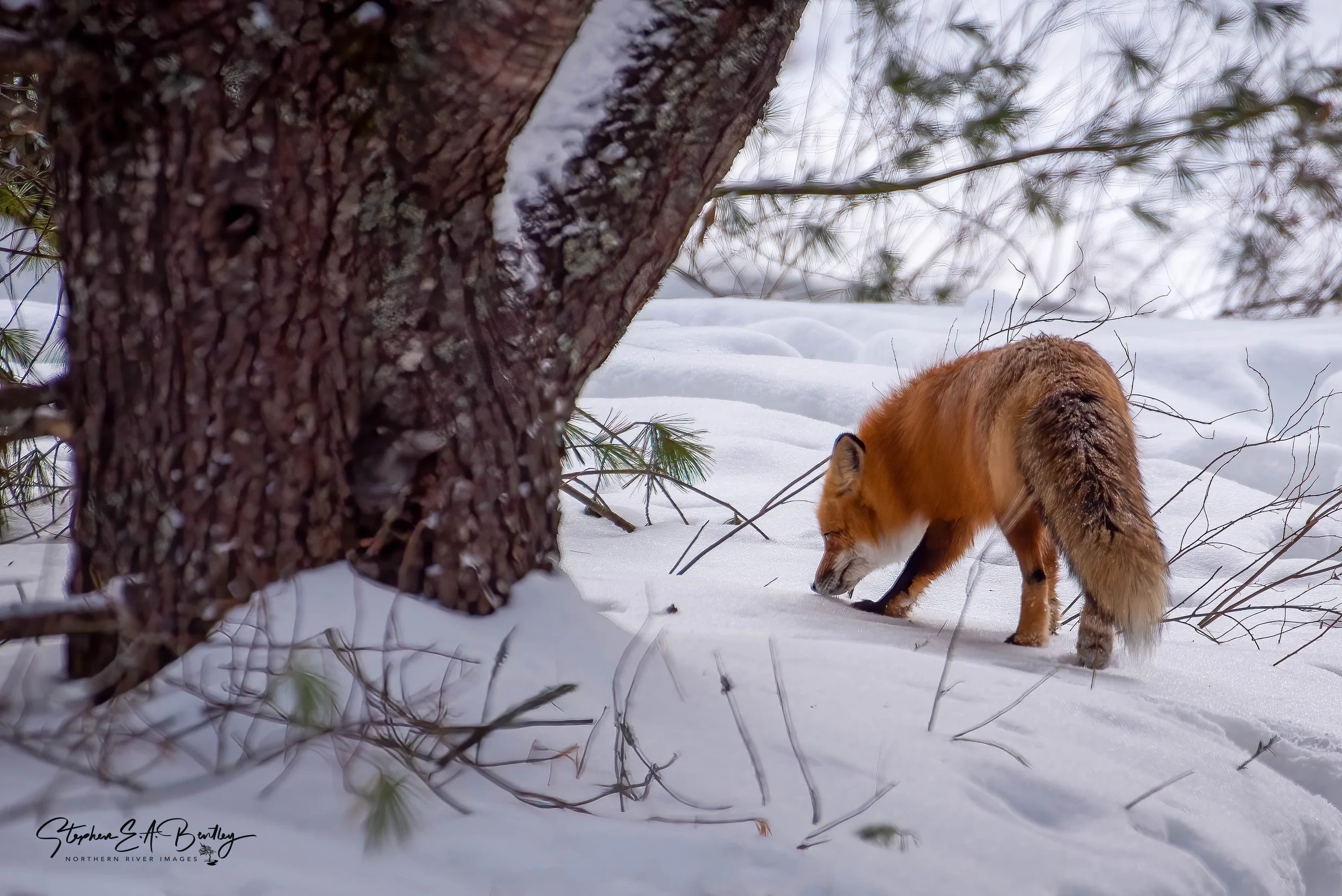
Wildlife and Winter
As autumn fades, the natural world undergoes a profound transformation. December marks the beginning of winter. For wildlife, it’s a season of survival, adaptation, and quiet resilience. Beneath the stillness of frosted landscapes, life continues in astonishing ways.

Transition to Winter
For those who wander the trails or peer through camera lenses, November offers a raw and intimate look at nature’s transition. The land may seem quieter, but for the observant, it’s a period rich with subtle activity and powerful stories of survival.

Autumn’s Golden Tapestry
Each year, as summer gives way to autumn, Ontario transforms into a canvas of breathtaking beauty. This reflects a deep and multifaceted relationship between humans, nature, and the wildlife that quietly inhabits the forests and fields.
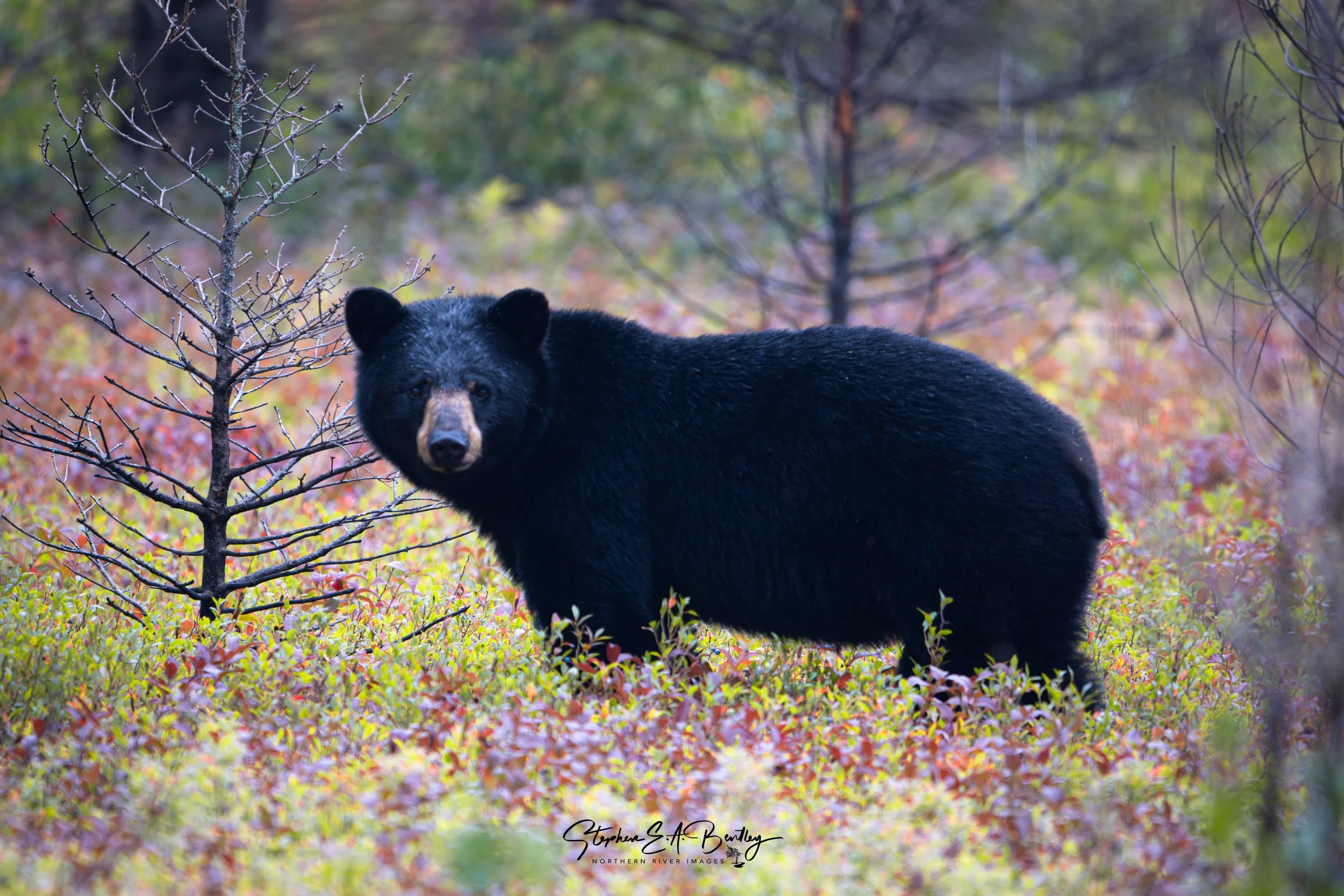
Black Bearly Awake
As the forests of Ontario turn into fiery canvases of orange, red, and gold, one of the province’s most iconic animals is in a full-on feeding frenzy. September is go-time for the Black Bear, a month when eating isn't just an activity. It’s a matter of survival.

Doldrums of Summer
By August, summer has begun to weigh heavily on the landscape. The freshness of spring has vanished, and July’s vibrancy has given way to a slower, more languid rhythm. The sun lingers longer, scorching the earth in long, hazy afternoons.
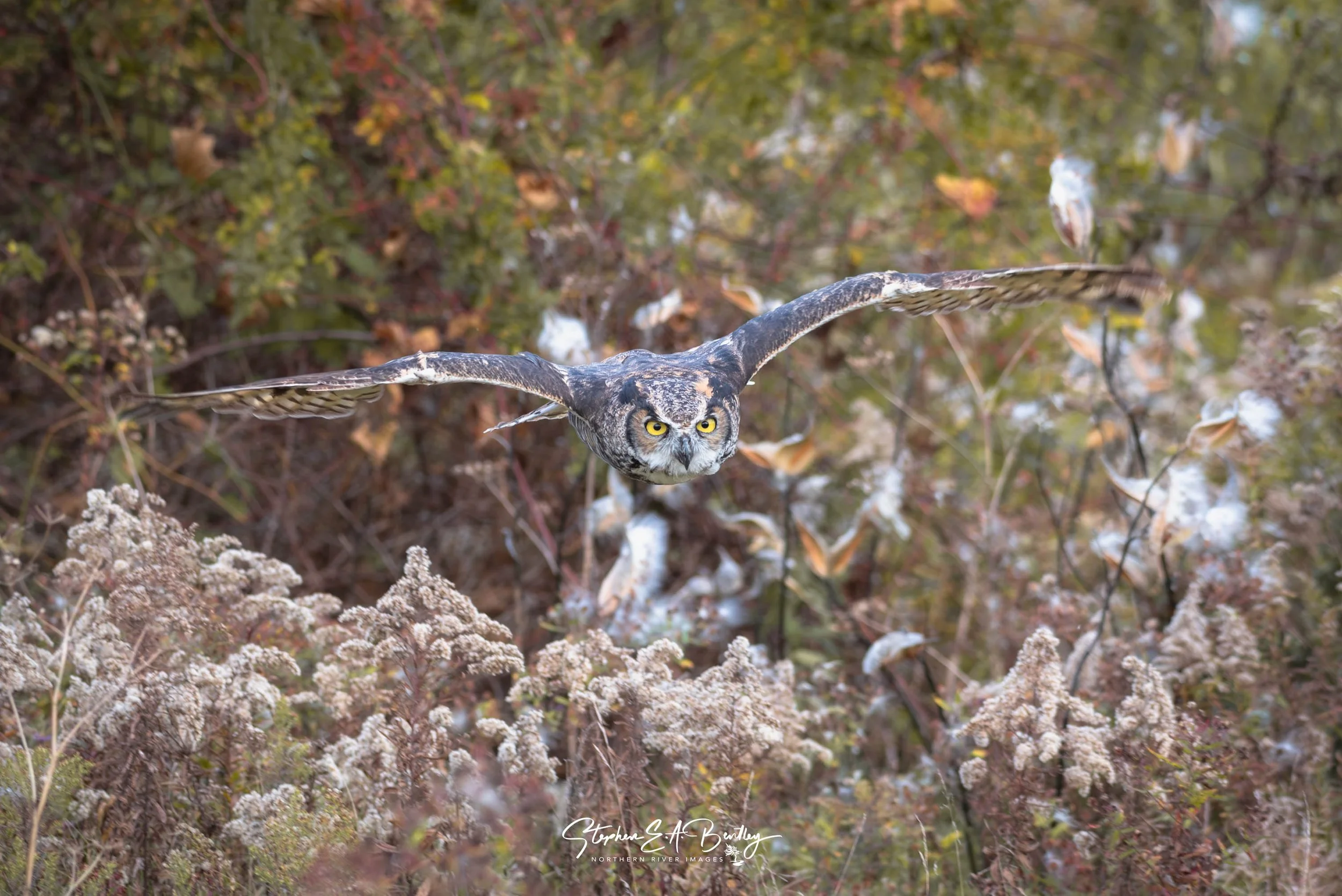
Predators of the Fields
In the wild landscapes of Ontario, July marks a bustling period of activity in the food web. The intricate balance between predator and prey reaches a seasonal peak. Their presence plays a crucial role in maintaining balance in the environment.

Talking about Turtles
June is a crucial month for turtles in Ontario, as it marks the peak of their nesting season. During this time, female turtles leave the safety of wetlands to search for suitable nesting sites crossing roads and facing numerous dangers.

Wayward Warblers
One of the most magical moments in nature, is the spring migration of songbirds. For bird photographers, they cling to the early parts of May to witness this amazing feat following and watching the migrating birds. Paramount is the migration of Warblers.

Following the Red Fox
I like to photograph the Red Fox primarily because of their vibrant colour, intense curiosity, natural cooperation, and being present in all seasons. The Red Fox is one of the most widely distributed carnivores in the world. In Ontario, Red Foxes are particularly prevalent.

The Owls of Winter
Ontario transforms dramatically during winter. Snow blankets the land, temperatures plummet, and many animals retreat into hibernation or migration. For a group of remarkable birds, winter represents a season of activity and opportunity. Among the most fascinating are Owls.

Oh Canada Jay
The Canada Jay is a fascinating bird primarily found in Canadian northern boreal forests. Known for its resilience and adaptability, it has developed unique behaviors, including winter breeding, intricate nesting strategies, food storage, and a diverse diet.